
1. Taw qhia
Lub Taramps TR2 P Remote Control is an advanced device designed exclusively for Taramps Group alarm systems. It incorporates anti-cloning (hopping code) technology to provide enhanced security for your vehicle. This remote control also features a presence function and a home function, allowing for the activation of automated gates. Built for durability, it is resistant to moisture infiltration and includes a long-lasting lithium battery with a low battery indicator.
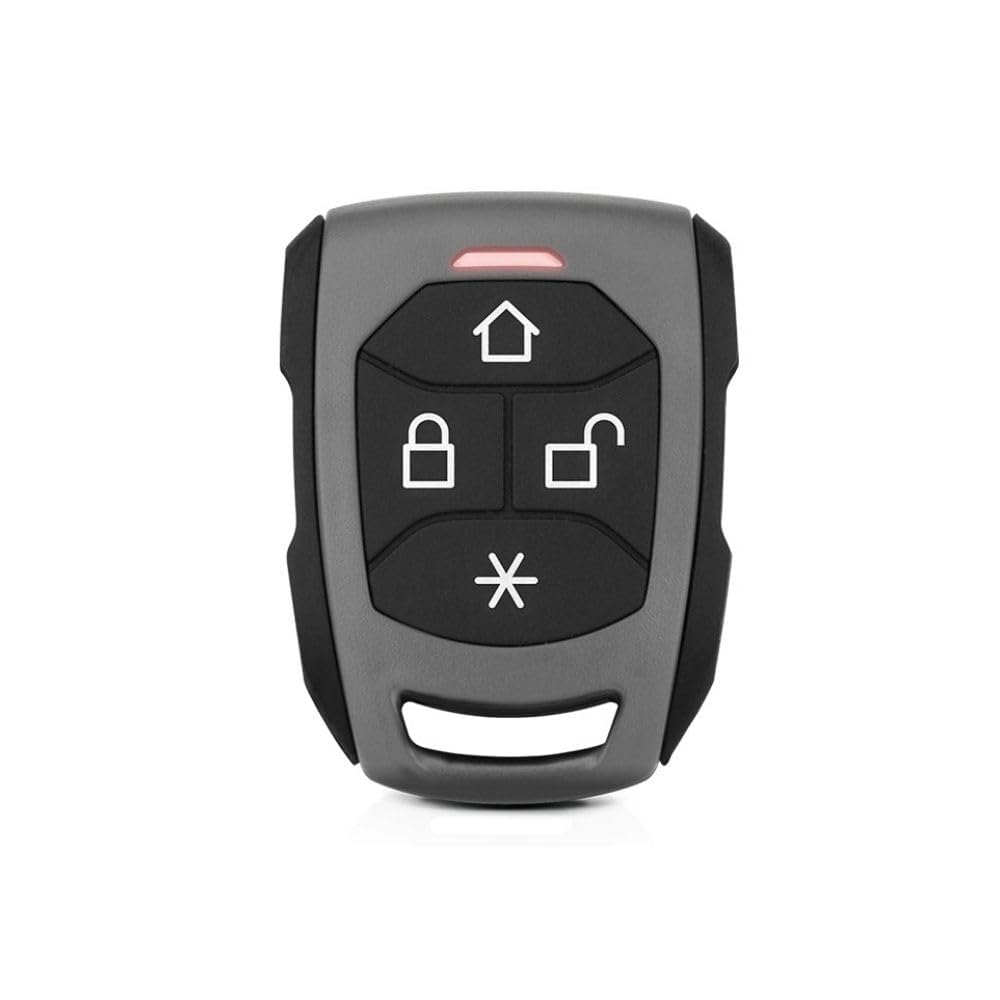
Figure 1: Taramps TR2 P Remote Control. This image shows the front view of the remote control, highlighting its four primary function buttons and the LED indicator.
2. Cov yam ntxwv tseem ceeb
- Anti-Cloning Technology: Utilizes HOPPING CODE for enhanced security against unauthorized duplication.
- Compatibility: Fully compatible with all Taramps TW20 series alarm systems.
- Kev khiav hauj lwm zaus: Operates at 433.92 MHz.
- Qhov taw qhia LED: Features a blue LED for status indication.
- Kev tsim kho ruaj khov: Manufactured from high-density ABS material.
- Dej tsis kam: Designed to be resistant to moisture infiltration.
- Roj teeb: Powered by a CR2032 Lithium 3V battery, known for its long durability.
- Presence Function: Identified by its gray color, this function is integral to the alarm system's presence feature.
- Home Function: Allows for the activation of automated gates.
3. Teeb tsa
3.1 Kev teeb tsa roj teeb
The TR2 P remote control comes with a CR2032 lithium battery pre-installed. If replacement is needed, follow these steps:
- Ua tib zoo qhib lub chaw taws teeb tswj casing using a small, flat tool.
- Tshem tawm lub qub CR2032 roj teeb.
- Ntxig lub roj teeb lithium CR2032 3V tshiab, xyuas kom sab zoo (+) tig rau saum toj.
- Kaw lub chaw taws teeb tswj casing kom ruaj ntseg kom txog thaum nws nyem rau hauv qhov chaw.
3.2 Pairing with Taramps TW20 Alarm System
To ensure proper functionality, the TR2 P remote control must be paired with your Taramps TW20 alarm system. Refer to your specific Taramps TW20 alarm system manual for detailed pairing instructions, as the procedure may vary slightly between alarm models. Generally, the process involves:
- Entering the alarm system's programming mode (often by turning the ignition on/off a specific number of times or pressing a master button).
- Pressing a button on the TR2 P remote control when prompted by the alarm system.
- Confirming successful pairing (usually indicated by a siren chirp or LED flash from the alarm system).
4. Cov lus qhia ua haujlwm
The TR2 P remote control features four primary buttons for various functions:
- House Icon Button (⌂): Activates lub Tsev Muaj nuj nqi, typically used for controlling automated gates or other integrated home automation features.
- Locked Padlock Icon Button (🔒): Locks the vehicle and arms the alarm system. Press this button to secure your vehicle.
- Unlocked Padlock Icon Button (🔓): Unlocks the vehicle and disarms the alarm system. Press this button to access your vehicle.
- Asterisk Icon Button (*): This button is typically associated with the Muaj nuj nqi or other auxiliary functions depending on your alarm system's configuration. Consult your alarm system manual for specific details.
The blue LED indicator on the remote control will illuminate briefly when a button is pressed, confirming signal transmission.
5. Kev tu
5.1 Hloov roj teeb
The TR2 P remote control is powered by a CR2032 3V lithium battery. The remote control will indicate a low battery condition, prompting replacement. Refer to section 3.1 for battery installation instructions.
5.2 Kev Tu thiab Tu
- Clean the remote control with a soft, dry cloth.
- Avoid using abrasive cleaners or solvents, as these can damage the casing thiab cov nyees khawm.
- While resistant to moisture, avoid prolonged exposure to water or submerging the device.
6. Kev daws teeb meem
- Chaw taws teeb tswj tsis teb:
- Check if the blue LED illuminates when a button is pressed. If not, the battery may be depleted. Replace the CR2032 battery (see section 3.1).
- Ensure you are within range of the alarm system.
- Verify that the remote control is properly paired with your Taramps TW20 alarm system (see section 3.2).
- Kev ua haujlwm tsis sib xws:
- Weak battery can cause intermittent operation. Replace the battery.
- Environmental interference might affect signal transmission. Try operating the remote from a different location.
- Alarm System Not Responding to Home Function:
- Ensure the automated gate receiver is powered on and within range.
- Verify that the Home Function is correctly programmed and linked to your automated gate system. Consult the gate system's manual or a professional installer.
7. Cov lus qhia tshwj xeeb
| Hom | Taramps |
| Chaw tsim tshuaj paus | Taramps Electronics |
| Qauv nab npawb | 900739 (Part Number: TR2 P) |
| Kev khiav hauj lwm zaus | 433.92 MHz |
| Hom roj teeb | CR2032 Lithium, 3V |
| Khoom siv | High-density ABS |
| Dej tsis kam | Resistant to moisture infiltration |
| Cov Cheebtsam suav nrog | Daim ntawv pov thawj Warranty |
8. Warranty Information
Lub Taramps TR2 P Remote Control comes with a 2 xyoo warranty. This warranty is provided directly by the manufacturer, Taramps Electronics, and is valid for 24 months from the date of product purchase. Please retain your proof of purchase for warranty claims. For detailed terms and conditions, refer to the included Warranty Certificate.
9. Txhawb nqa
For technical assistance, troubleshooting beyond this manual, or warranty claims, please contact Taramps customer support. Refer to the contact information provided on the product packaging or the official Taramps webqhov chaw.
Taramps Official Webqhov chaw: www.taramps.com.br ib