
1. Taw qhia
The KMINA Patient Transfer Chair Model 2211 is designed to assist individuals with reduced mobility in transfers and daily hygiene tasks. It functions as a patient transfer aid, a portable commode, and facilitates access to standard toilets. This manual provides essential information for the safe assembly, operation, and maintenance of your transfer chair.

Daim duab 1: Tshajview of the KMINA Patient Transfer Chair.
Cov yam ntxwv tseem ceeb:
- Facilitates patient transfer by a third party.
- Adjustable seat height (up to 23 inches).
- 180-degree seat opening for easy patient positioning.
- Integrated commode bucket for use as a portable toilet.
- Secure locking system with two safety belts.
- Locking wheels for stability during transfers.
Important Note: This chair is not suitable for showering.
2. Cov ntaub ntawv kev nyab xeeb
Read all instructions carefully before using the KMINA Patient Transfer Chair. Failure to follow safety guidelines may result in injury or damage to the product.
General Safety Warnings:
- Tus neeg siv qhov hnyav: Do not exceed a maximum user weight of 220 lbs (100 kg).
- Doorway Clearance: Ensure doorways are wider than 23.5 inches (60 cm) for safe passage.
- Not for Shower Use: This chair is not designed for use in the shower.
- Kev saib xyuas: Always ensure a caregiver is present during patient transfers and use.
- Nres: Always engage wheel brakes before transferring a patient or when the chair is stationary.
- Safety Belts: Always secure the patient with both the front and rear safety belts during transfers and when seated.
- Stable Nto: Use the chair on a flat, stable, and dry surface.
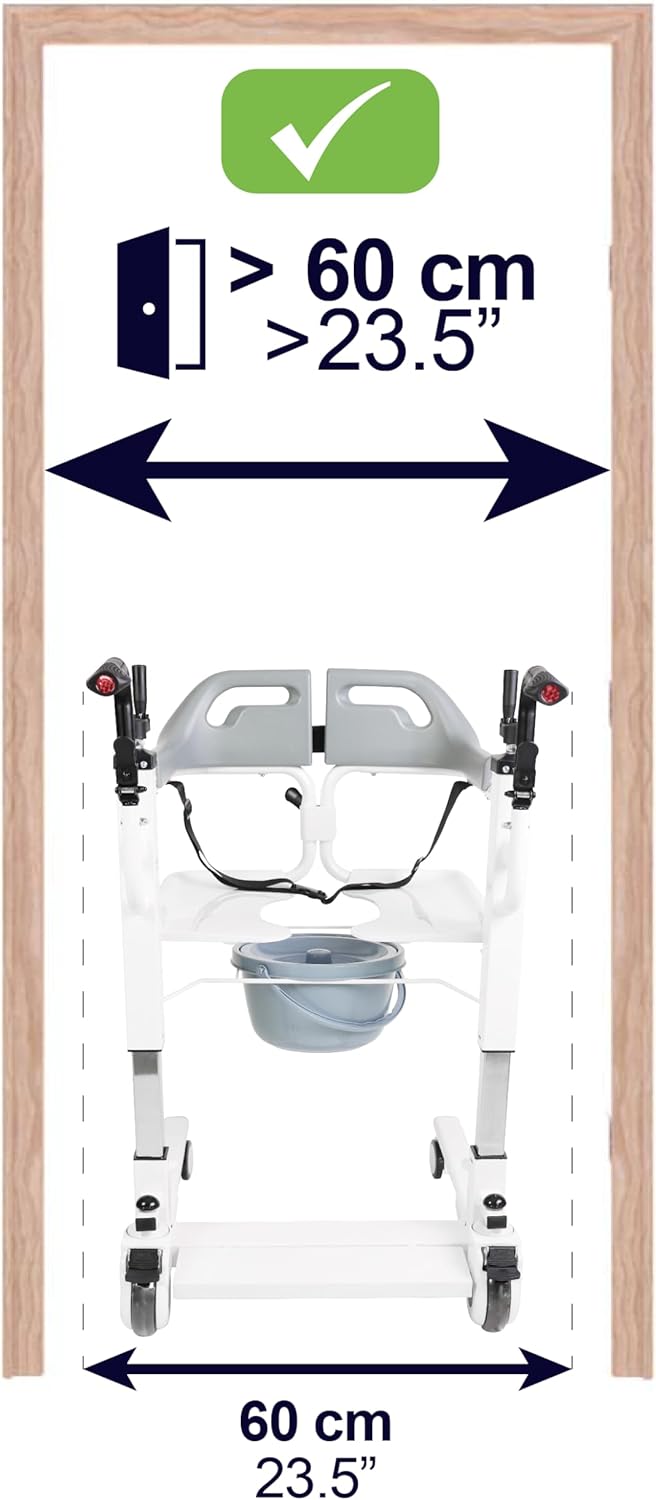
Figure 2: Ensure doorways are wider than 23.5 inches (60 cm) for safe passage.

Figure 3: Detail of the secure locking system with safety belts and height adjustment handle.

Figure 4: Engage the wheel brakes for stability.
3. Teeb tsa
3.1 Unpacking thiab Initial Inspection
- Ua tib zoo tshem tag nrho cov khoom ntawm lub ntim.
- Inspect all parts for any signs of damage. Do not use the chair if any components are damaged.
- Ensure all parts listed in the packing list (refer to product packaging) are present.
3.2 Kho qhov siab
The chair's seat height can be adjusted to match the height of a bed or other transfer surface, up to 23 inches (58 cm).
- Locate the height adjustment handles on the front posts of the chair (refer to Figure 3).
- Rotate the handles to raise or lower the seat to the desired height.
- Ensure both sides are adjusted to the same height and the handles are securely tightened before use.

Figure 5: Adjust the chair height to align with the transfer surface.
4. Cov lus qhia ua haujlwm
4.1 Patient Transfer
The 180-degree seat opening allows for easy positioning of the chair around a patient.
- Position the chair next to the patient's bed or seating area.
- Engage all wheel brakes.
- Open the seat sections by releasing the locking mechanism (refer to Figure 6).
- Carefully maneuver the open chair around the patient.
- Close the seat sections securely, ensuring the locking mechanism is engaged.
- Assist the patient to sit comfortably and securely in the chair.
- Fasten both the front and rear safety belts around the patient (refer to Figure 3).
- Disengage the wheel brakes to move the chair.

Figure 6: The seat opens 180 degrees for easy patient positioning.
4.2 Commode Function
The chair includes a removable commode bucket for use as a portable toilet.
- Ensure the patient is securely seated and belted.
- Engage all wheel brakes.
- Position the commode bucket beneath the seat opening.
- After use, remove the bucket for emptying and cleaning (refer to Figure 8).

Figure 7: Removing the commode bucket for emptying.
4.3 Using with a Toilet
The chair can be positioned over a standard toilet to facilitate access.
- Adjust the chair's height to clear the toilet bowl.
- Carefully roll the chair over the toilet.
- Engage all wheel brakes to secure the chair in place.
- Ensure the patient is securely seated and belted.
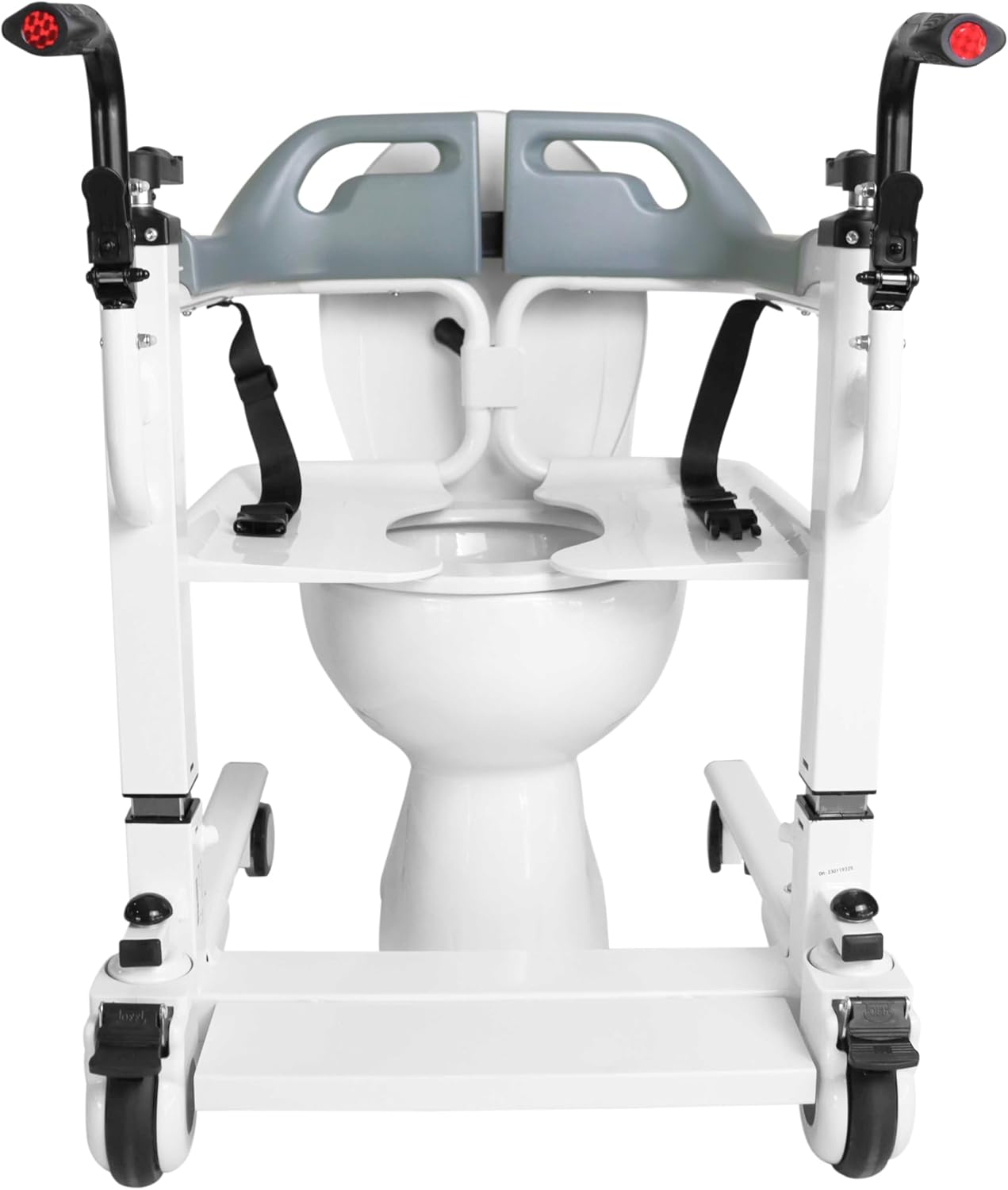
Figure 8: The chair can be positioned over a standard toilet.
4.4 Txav lub rooj zaum
The chair features directional wheels and a braking system for safe movement.
- Ensure the patient is securely seated and belted.
- Disengage all wheel brakes.
- Push the chair smoothly and steadily using the handles.
- Engage wheel brakes immediately when the chair reaches its destination or when stationary.
5. Kev tu
5.1 Kev ntxuav
- Ntxuav lub rooj zaum tsis tu ncua nrog xab npum me me thiab dej.
- Wipe all surfaces dry after cleaning.
- The commode bucket should be emptied and cleaned after each use.
- Tsis txhob siv cov tshuaj abrasive los yog cov kuab tshuaj, vim tias cov khoom no yuav ua rau cov khoom puas.
5.2 Kev tshuaj xyuas
- Periodically check all bolts, screws, and fasteners to ensure they are tight.
- Inspect the wheels and brakes for proper function.
- Check safety belts for wear and tear. Replace if damaged.
- Ensure the seat opening and closing mechanism operates smoothly and locks securely.
6. Kev daws teeb meem
| Teeb meem | Ua Tau | Kev daws |
|---|---|---|
| Chair does not move smoothly. | Brakes engaged; debris in wheels. | Disengage brakes; clean wheels. |
| Seat does not lock securely. | Mechanism obstructed; worn parts. | Clear obstruction; contact support if worn. |
| Kev kho qhov siab yog qhov nyuaj. | Handles not fully loosened; mechanism dirty. | Ensure handles are loose; clean and lubricate if necessary. |
| Lub rooj zaum zoo li tsis ruaj khov. | Brakes not engaged; uneven surface; loose fasteners. | Engage brakes; move to level surface; tighten all fasteners. |
7. Cov lus qhia tshwj xeeb
| Feature | Paub meej |
|---|---|
| Qauv nab npawb | 2211 |
| Cov neeg siv qhov hnyav tshaj plaws | 220 lbs (100 kg) |
| Lub Rooj Hloov Siab | Txog li 23 nti (58 cm) |
| Minimum Doorway Clearance | 23.5 nyob rau hauv (60 cm) |
| Chaw tsim tshuaj paus | IMD SL |
| ASIN | B0CP893GLM |
8. Warranty thiab Support
For warranty information, technical support, or to inquire about replacement parts, please contact KMINA customer service. Refer to the product packaging or the KMINA official website rau cov ncauj lus kom ntxaws.
KMINA is a brand created by a team of engineers and health professionals, with the aim of improving people's mobility and daily living.