
1. Taw qhia
This manual provides detailed instructions for the setup, operation, maintenance, and troubleshooting of the RGBlink NDI PTZ Camera Controller (RGBBKT). This device is designed for professional video production environments, offering comprehensive control over various PTZ cameras using multiple protocols.
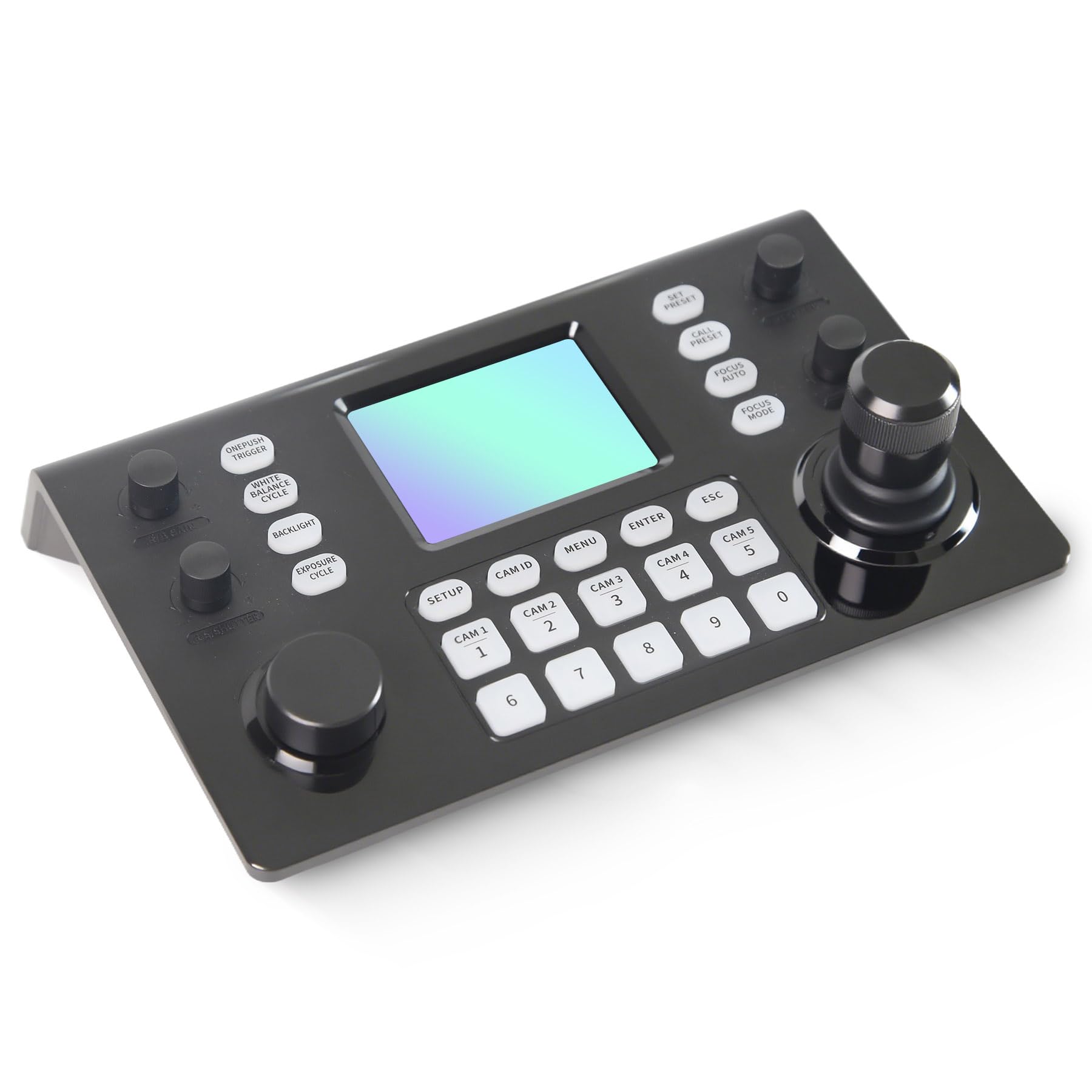
Image 1.1: RGBlink NDI PTZ Camera Controller (RGBBKT).
2. Teeb tsa
Follow these steps to set up your RGBlink NDI PTZ Camera Controller.
2.1 Unpacking thiab Initial Inspection
- Ua tib zoo tshem tag nrho cov khoom ntawm lub ntim.
- Verify that all items listed in the packing list are present.
- Inspect the controller for any signs of physical damage. If damage is found, contact your dealer immediately.
2.2 Txuas lub Controller
The RGBlink NDI PTZ Camera Controller supports various connection methods for power and camera control.
- Lub zog hla Ethernet (PoE): Connect a single RJ45 Ethernet cable from a PoE-enabled network switch to the controller's LAN port. This provides both power and network connectivity.
- Sab nraud fais fab Adapter: If PoE is not available, connect the provided power adapter to the DC 12V input port and to a power outlet.
- Lub Koob Yees Duab Txuas:
- Ethernet (IP Control): Connect PTZ cameras to the same network as the controller via RJ45 Ethernet cables. The controller supports VISCA over IP, ONVIF v2.42, and NDI v5.5 protocols.
- Serial Control: For cameras supporting serial communication, use RS232, RS422, or RS485 interfaces. Connect the appropriate cables from the controller's serial ports to the cameras.

Image 2.1: Rear panel connections including RS-232, RS-422, LAN (PoE), and Power Input.

Image 2.2: Example connection diagram showing PTZ Controller, PoE Switch, PTZ Cameras, Audio Mixer, and Computer.

Image 2.3: Diagram illustrating IP camera connections via a network switch.
2.3 Kev Teeb Lub Network
For IP-based camera control, ensure the controller and cameras are on the same network segment. The controller supports automatic detection of NDI-enabled PTZ cameras.
- Access the controller's web interface los ntawm kev nkag mus rau nws tus IP chaw nyob rau hauv a web browser. (Refer to the device's display or network tools to find the IP address).
- The default login credentials are typically 'admin' with a blank password. It is recommended to set a strong password immediately.
- Hauv lub web interface, configure camera protocols (e.g., ONVIF, VISCA over IP) and enter camera-specific user credentials if required.

Image 2.4: NDI|HX camera search and control interface on the controller.
3. Kev ua haujlwm
This section details the operational functions of the RGBlink NDI PTZ Camera Controller.
3.1 Tshajview ntawm Kev Tswj
The controller features a 3.49" LCD display, a 3D joystick, various knobs, and a numeric keypad for intuitive control.

Image 3.1: The controller's 3.49-inch LCD display.

Duab 3.2: Paub meej view of the 3D joystick and multi-function knobs.

Image 3.3: Layout of the controller's buttons and numeric keypad area.
3.2 Kev xaiv lub koob yees duab
- Quick Select Buttons: Use the dedicated CAM 1-5 buttons for quick selection of up to 5 cameras.
- Numeric Keypad: For cameras beyond the quick select buttons (up to 255), press the CAM ID button, then enter the camera number using the numeric keypad, and press ENTER.

Image 3.4: The controller's ability to manage multiple cameras.
3.3 PTZ Tswj
- Joysticks: The 3D joystick controls pan (left/right), tilt (up/down), and zoom (rotate the joystick).
- PT Ceev Knob: Adjusts the gimbal movement speed for pan and tilt.
- Zoom Knob: Provides precise zoom control, especially useful in preview hom.
3.4 Image Parameter Adjustment
- IRIS/SHUTTER Knob: Rotate to adjust aperture and shutter speed. Press to switch control modes.
- R/B GAIN Knob: Rotate to adjust red and blue gain. Press to switch control modes.
- FOCUS Button: Nias lub AUTO FOCUS button to switch the camera to auto focus mode.
- EXPOSURE Button: Cycles through exposure modes (Aperture Priority, Shutter Priority, Gain Priority, Manual Exposure, Auto Exposure).
- BACKLIGHT Button: Toggles the camera's backlight mode.
- WHITE BALANCE CYCLE Button: Cycles through white balance modes (Indoor, Outdoor, Manual, Auto).
- ONE PUSH TRIGGER Button: When white balance is set to "One-Push White Balance", press this button to initiate a one-push white balance calibration.

Image 3.5: Functions of buttons and knobs on the left side of the controller.

Image 3.6: Functions of buttons and knobs on the right side of the controller, including preset controls.
3.5 Presets
- SET PRESET Button: Press to enter preset position mode. Use the numeric keys to enter the preset number (0-9) and press ENTER cawm. Xovxwm ESC tawm mus.
- CALL PRESET Button: Press to enter preset recall mode. Use the numeric keys to enter the preset number (0-9) and press ENTER to recall. Press ESC tawm mus.
- The controller supports saving and recalling up to 255 presets per camera.
3.6 Ntawv qhia zaub mov Navigation
- MENU khawm: Press to open or close the camera settings menu. In menu control mode, the joystick controls navigation (up, down, left, right), ENTER confirms selections, and ESC acts as a back button.
4. Kev tu
Proper maintenance ensures the longevity and optimal performance of your RGBlink NDI PTZ Camera Controller.
4.1 Kev ntxuav
- Use a soft, dry cloth to clean the exterior of the controller.
- Rau cov av tawv tawv, me ntsis dampmuab daim ntaub ntawd ntxuav nrog dej los yog tshuaj ntxuav mos mos uas tsis yog abrasive.
- Avoid using harsh chemicals, solvents, or abrasive materials, as these can damage the surface and display.
- Ensure no liquids enter the device through openings or ports.
4.2 Cia khoom
- Thaum tsis siv ntev, khaws lub maub los rau hauv qhov chaw txias, qhuav kom deb ntawm tshav ntuj ncaj qha thiab qhov kub thiab txias heev.
- Tiv thaiv lub cuab yeej los ntawm plua plav thiab ya raws.
5. Kev daws teeb meem
Tshooj lus no muab kev daws teeb meem rau cov teeb meem uas koj yuav ntsib.
5.1 Tsis muaj zog
- Tshawb xyuas Lub Zog: Ensure the power adapter is securely connected to both the controller and a working power outlet.
- PoE Check: If using PoE, verify that the Ethernet cable is connected to a PoE-enabled port on your network switch and that the switch is powered on.
- Cable Integrity: Inspect the power cable and Ethernet cable for any damage.
5.2 Cannot Control Camera
- Kev sib txuas Network: For IP cameras, ensure the controller and cameras are on the same network and can communicate. Check network cables and IP addresses.
- Kev cai tsis sib haum: Verify that the correct control protocol (e.g., VISCA over IP, ONVIF, NDI, Pelco-D/P) is selected on both the controller and the camera.
- Lub koob yees duab ID: Ensure the correct camera ID is selected on the controller.
- ID nkag mus daim ntawv pov thawj: If the camera requires authentication, confirm that the correct username and password are configured in the controller's web interface.
- Kev sib txuas Serial: For serial control, check RS232/RS422/RS485 cable connections and ensure baud rates and addresses match between the controller and camera.
- Firmware: Ensure both the controller and cameras have the latest firmware installed. Visit the RGBlink support website rau kev hloov tshiab.
5.3 LCD Display Issues
- Tsis muaj zaub: Xyuas kom tus maub los tau powered.
- Dim Display: Check if there are any brightness settings on the controller that can be adjusted.
6. Cov lus qhia tshwj xeeb
| Feature | Paub meej |
|---|---|
| Qauv | RGBBKT |
| Qhov Loj (L x W x H) | 11.4 x 7.8 x 5.9 nti (kwv yees 290 x 200 x 150 mm) |
| Qhov hnyav | 2.2 phaus (kwv yees 1 kg) |
| Zaub | 3.49" LCD |
| Tswj cov txheej txheem | VISCA over IP, ONVIF v2.42, NDI v5.5, Pelco-D/P |
| Interfaces | RS232, RS422, RS485, RJ45 Ethernet (PoE) |
| Camera Capacity | Up to 255 PTZ cameras |
| Lub zog nkag | PoE or DC 12V (external adapter) |
| Joystick | High-precision Hall sensor 3D joystick |

Image 6.1: Controller dimensions and typical usage environments.

Image 6.2: Visual representation of supported protocols including RJ45, RS485, RS422, RS232, ONVIF, NDI, Pelco-D, Pelco-P, and Visca.
7. Kev Ua Yeeb Yam Txog Khoom
Watch the official product video for a visual demonstration of the RGBlink NDI PTZ Camera Controller's features and operation.
Video 7.1: Official demonstration of the RGBlink PTZ Camera Controller Joystick, showcasing multi-camera control and key features.
8. Warranty thiab Support
For warranty information, technical support, or service inquiries, please contact RGBlink customer service or visit their official webqhov chaw.
- Chaw tsim tshuaj paus: Xiamen RGBlink Science & Technology Co.,Ltd.
- Official Webqhov chaw: www.rgblink.com (Nco tseg: Qhov no yog qhov chaw URL, please refer to your product packaging or official documentation for the correct support webqhov chaw.)
- Tiv tauj xov tooj: Refer to the RGBlink official website for the most current contact details for technical support and warranty claims.